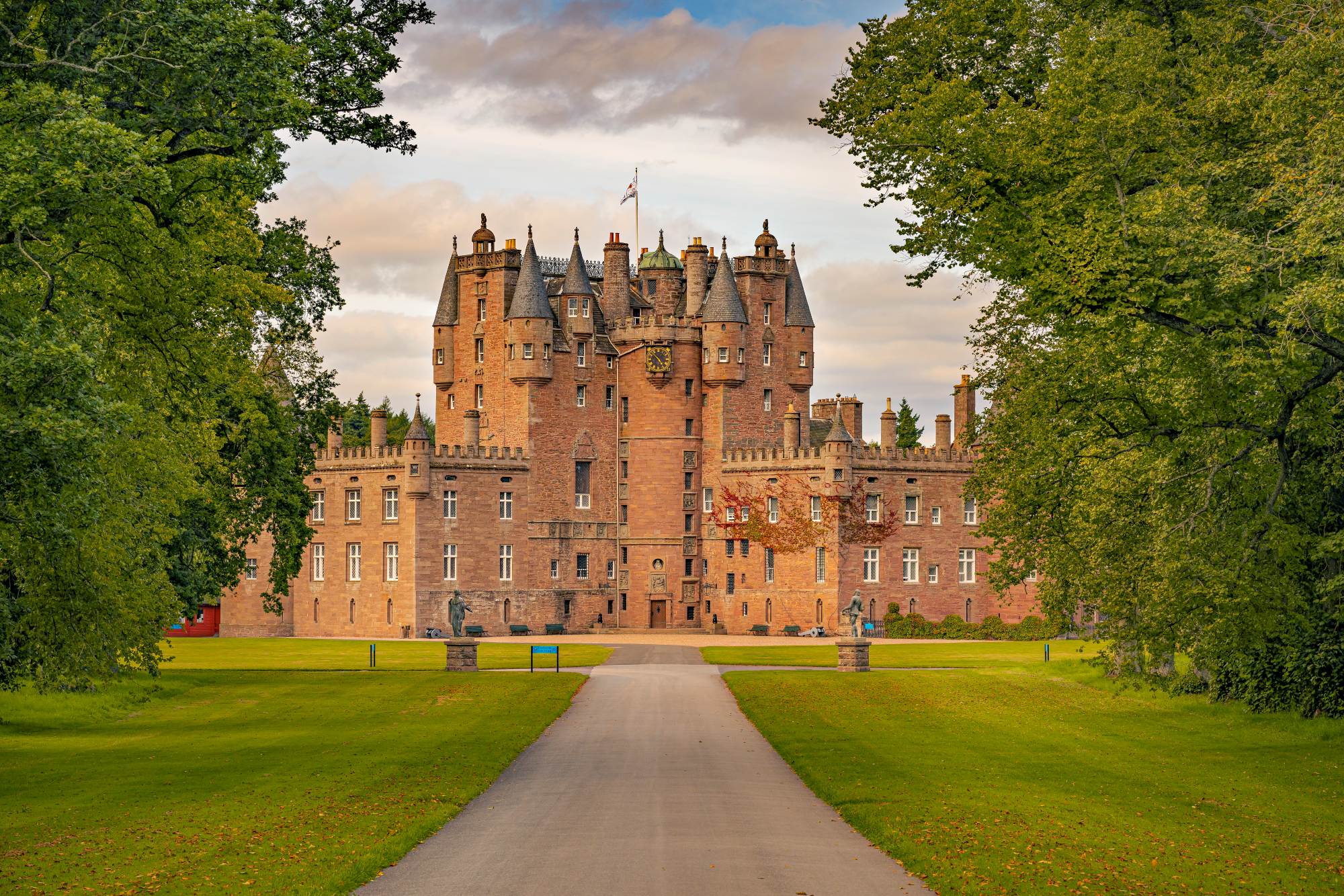
:

  • English
  • Español
  • Italiano
  • Deutsch
  • Nederlands
  • Français
Navigation generated at 2026-2-8 4:9:49
    • Vedi Luoghi da visitare

      Città

      • Vedi Città
      • Aberdeen
      • Dundee
      • Dunfermline
      • Edimburgo
      • Glasgow
      • Inverness
      • Perth
      • Stirling

      Luoghi popolari

      • Ben Nevis
      • Glencoe
      • Loch Lomond
      • Loch Ness

      Villaggi in Scozia

      • Vedi Villaggi in Scozia
      • Aviemore
      • Dumfries
      • Fort William
      • Kirkwall
      • Lerwick
      • Oban
      • Peebles
      • Pitlochry
      • St Andrews

      Isole

      • Vedi Isole
      • Isola di Arran
      • Isola di Islay
      • Isola di Jura
      • Isole di Lewis e Harris
      • Isola di Mull
      • Orcadi
      • Ebride Esterne
      • Shetland
      • Isola di Skye

      Regioni

      • Aberdeen & Aberdeenshire
      • Argyll & The Isles
      • Ayrshire & Arran
      • Dumfries & Galloway
      • Dundee & Angus
      • Edimburgo e il Lothian
      • Fife
      • Glasgow & Clyde Valley
      • Loch Lomond, Trossachs, Stirling & la Forth Valley
      • Le Highlands
      • Perthshire
      • Scottish Borders
    • Vedi Cose da fare

      Attrazioni

      • Vedi Attrazioni
      • 20 attrazioni da non perdere
      • Arte, cultura e festival
      • Castelli
      • Attrazioni gratuite
      • Attrazioni storiche
      • Musei & gallerie
      • Set cinematografici e televisivi

      Attività all'aperto

      • Vedi Attività all'aperto
      • Ciclismo
      • Pesca
      • Golf e i migliori campi da golf
      • Equitazione e trekking a cavallo
      • Mountain bike
      • Passeggiate & trekking
      • Sport acquatici

      Cibi e bevande

      • Vedi Cibi e bevande
      • Birra scozzese e birrifici
      • Disitllerie di gin e degustazioni
      • Whisky e distillerie

      Paesaggi e natura

      • Vedi Paesaggi e natura
      • Spiaggie
      • Ben Nevis
      • Laghi
      • Parchi nazionali
      • Aurora boreale
      • Menhir e circoli megalitici
      • La fauna selvatica

      Tour, itinerari e sentieri

      • Vedi Tour, itinerari e sentieri
      • Isole & giri delle isole
      • Itinerari in Scozia
      • Il sentiero UNESCO della Scozia
      • Tour
      • Passeggiate & percorsi escursionistici

      Eventi

      • Vedi Eventi
      • Festival estivi di Edimburgo
      • Highland Games
      • Festival musicali
    • Vedi Alloggi

      Hotel e alloggi

      • Bed and breakfast & guest house
      • Hotel economici
      • Ostelli
      • Hotel
      • Hotel a 5 stelle e di lusso
      • Ristoranti con camere e locande

      Vacanze in campeggio e in roulotte

      • Vedi Vacanze in campeggio e in roulotte
      • Vacanze in camper, motorhome e roulotte
      • Glamping
      • Campeggio libero

      Alloggi con uso cucina

      • Vedi Alloggi con uso cucina
      • Baite in legno e chalet
      • Cottage
      • Appartamenti vacanze
      • Alloggi con vasca idromassaggio

      Alloggi insoliti

      • Vedi Alloggi insoliti
      • Soggiorno in un castello

      Altri alloggi

      • Alloggi accessibili
      • Alloggi ecologici
      • Proprietà ad uso esclusivo
      • Soggiorni di lusso
      • Alloggi per vacanze con il cane
      • Alloggi romantici
    • Vedi Viaggi e pianificazione

      Viaggiare verso la Scozia

      • Dall'Inghilterra & Galles
      • Dall'Italia

      Viaggiare in Scozia

      • Aereo
      • Autobus e pullman
      • Traghetto
      • Treno

      Guidare in Scozia

      • Vedi Guidare in Scozia
      • Noleggio auto
      • Percorsi di guida panoramici
      • Veicoli elettrici

      Quando visitare la Scozia

      • Vedi Quando visitare la Scozia
      • Primavera & Pasqua
      • Estate
      • Autunno
      • Inverno, Natale e Capodanno

      Informazioni pratiche

      • Turismo responsabile
      • Domande frequenti
      • Calcolatore di CO2 per le tue vacanze
      • Pass & offerte
      • Passaporti e visti
      • Meteo

      Idee e consigli

      • Guida per la sicurezza all'aperto in Scozia
      • Blog di viaggio
      • Newsletter di viaggio

      Tipologie di vacanza

      • Vacanze accessibili
      • I 15 luoghi più belli della Scozia
      • Vacanze economiche
      • Vacanze in campagna
      • Vacanze in famiglia
      • Soggiorni in fattoria
      • Destinazioni lontane dalle piste battute
      • Viaggi in solitaria
      • Weekend e brevi soggiorni
      • Soggiorni benessere
  • Mappa della Scozia

BETA: Questa mappa è attualmente in fase di sviluppo. VisitScotland non è responsabile del contenuto o dell'accuratezza della mappa e non si assume responsabilità per l'affidabilità di essa.

Il tuo feedback contribuirà a migliorarla
  1. Home
  2. Cose da fare
  3. Attrazioni
  4. Arte, cultura e festival

Scotland's top 10 Scots poems for Burns Night

Each year in Scotland, children across the country eagerly practice reciting Scots poems as part of their homework in the hope of being crowned their school’s "Burns Champion" ahead of Burns Night – the annual birthday celebration of Scotland’s National Bard, Robert Burns.

To celebrate all things Scots language, we surveyed 1,000 Scottish adults to see exactly what their favourite Scots poems are. We’ve also teamed up with Game of Thrones actor and Scottish acting legend, James Cosmo, who has recited Scotland’s favourite Scots poem for us, To a Mouse by Robert Burns.

Interestingly, our survey found that out of Scotland’s top 10 favourite poems, seven are by Robert Burns! Check out the top 10 below. 

JavaScript deve essere abilitato per guardare questo video. È possibile attivarlo nelle impostazioni del browser.

JavaScript deve essere abilitato per guardare questo video. È possibile attivarlo nelle impostazioni del browser.

The top ten

The statue of Robert Burns, Dumfries

© VisitScotland / Kenny Lam

1. To a Mouse, Robert Burns

Robert Burns’ To A Mouse came out in our research as Scotland’s number one Scots poem, with over a fifth of Scots saying this was the favourite one they learned as a child.

Burns wrote the poem in November of 1785, and the eight-verse tale is, unsurprisingly, about a mouse. In the poem, the narrator, who we might assume is Burns, accidentally destroys the mouse’s nest while ploughing a field. While the proposed subject matter might seem heartfelt, the poem has much deeper undertones, illustrating Burns’ tolerance of all creatures and his humanity to all.

Read To a Mouse

Ayr town centre

2. Tam O'Shanter, Robert Burns

“This truth fand honest Tam o’ Shanter, As he frae Ayr ae night did canter”. Scotland’s second most popular Scots poem was Robert Burns’ Tam O’Shanter which, as this line of the poem shows, is set in the Scottish town of Ayr.

The poem tells the tale of a farmer called Tam, who often gets drunk with his friends in a local pub. The night described in the poem sees Tam making his way home, drunk, on his horse called Maggie, whilst the narrator tells the listener of Tam’s thoughtless ways, specifically towards his wife, who is waiting angrily for him to arrive home. On his journey home, Tam encounters many supernatural beings, including witches, warlocks, and even the Devil himself playing the bagpipes.

Read Tam O’Shanter

The statue of Jean Armour, located in Machline, Ayrshire

© Ayrshire and Arran Tourism Group

“

O my Luve’s like a red, red rose,
That’s newly sprung in June

3. A Red, Red Rose, Robert Burns

Our research found Burns in the third spot of Scotland’s favourite Scots poems, too! A Red, Red Rose could perhaps be considered the most romantic of Burns’ poems and is said to have been written for his wife, Jean Armour.

In the poem, Burns declares the intense love he feels for his wife and compares his love for her to be like a rose, insisting that his love will last forever. The poem suggests that the narrator might be going through a separation from his love, and concludes the poem by insisting that his love for her will persist even when they are apart:

“And I will come again, my luve, Though it were ten thousand mile.”

Read A Red, Red Rose

A man addressing the haggis at a Burns Night Supper

4. Address to the Haggis, Robert Burns

Coming in fourth was ‘Address to the Haggis’, which is a Scots poem most often recited on Burns Night before the Burns Supper commences. Traditionally, when the Haggis is brought out to the table, one of the attendees of the Burns Supper will ‘address’ the Haggis using Burns’ poem.

Burns wrote the humorous poem in 1786 to celebrate his appreciation of the Haggis, and as a result, Burns and the Haggis are now forever linked.

Read Address to the Haggis

5. A Man's a Man for a'That, Robert Burns

Once again, Burns is the poet coming out on top, with his poem A Man’s a Man for a’ That coming in as Scotland’s fifth favourite Scots poem.

The poem is famous for highlighting Burns’ open outlook on society, with the story describing how the true worth of man is not defined by status, wealth, or possessions. With the poem endorsing equality for all in society, some critics hail it as important to society now as it was then! Interestingly, when Burns wrote the poem in 1795, he was not of a high enough social class to vote…

Read A Man’s a Man for a’ That


6. The Sair Finger, Walter Wingate

The first non-Burns Scots poem to make the top ten list is, The Sair Finger by Walter Wingate.

Walter Wingate was born in 1895 in the town of Dalry in Ayrshire. This poem is much-loved by Scots across the country and is a story about a "wean" (child) with a "skelf" (splinter) in his pinkie. The child in the poem has his splinter removed by the narrator, with the final verse telling us about another child who comes along to claim they have a splinter too: “Your finger sair ana’? Ye rouge. You’re only lettin’ on”.

The “lettin’ on” shows that the other child is pretending to have a splinter so that they can have a bandage on their finger too.

Read The Sair Finger

A Scottish terrier being walked along a countryside path

© Forestry and Land Scotland

7. A Dug, A Dug, Billy Keys

A Dug, A Dug by Billy Key comes in as Scotland’s seventh-most favourite Scots poem, according to our survey. "Dug" is the Scots word for dog and the Billy Keys poem comes from "The Kist" – a collection of Scots and Gaelic poetry and prose.

The poem features a child asking their dad for a pet dog, with the starting line: “Hey, daddy, wid yi get us a dug?”. The child longs for a dog so much that they ask for any breed of dog, saying they’d be happy to have “a big broon Alsatian”, “a wee white pug”, “a skinny wee terrier” or a “big fat bull”.

Read A Dug, A Dug

Robert Burns statue at the Burns House Museum, Mauchline

8. To a Louse, Robert Burns

Not to be mistaken with the most popular Scots poem, To a Mouse, this poem depicts something a little bit different than a little mouse in a field. ‘To a Louse’ by Robert Burns is about a head louse he spots in church crawling upon the hat of the lady sitting in front of him.

In the poem, Burns observes the fact that the louse does not pay attention to class distinctions like humans do, and the louse considers everyone equally – as all humans are simply hosts to lice.

And as Burns himself concludes:

“O wad some Power the giftie gie us. To see ourselves as others see us”.

Suggesting that we cannot see ourselves as others do, and we should be kinder as such.

Read To a Louse


9. Willie Wastle, Robert Burns

Coming in as Scotland’s ninth-most favourite Scots poem is Robert Burn’s ‘Willie Wastle’. The poem is a less than complimentary tale about a man named Willie Wastle’s wife, with Burns describing her as "dour" (grim), "din" (dingy-coloured), and "bow-hough’d" (hunched).

The narrator is openly not very fond of Willie Wastle’s wife, ending every stanza with the line “I wad na gie a button for” (I wouldn’t give a button for her), which is a metaphor to say that he dislikes her so much, he wouldn’t even give her as much as a button!

Read Willie Wastle | PDF 0,4MB

 10. The Crocodile, J.K. Annand

And finally, Scotland’s tenth-most favourite poem is The Crocodile by J.K. Annand.

Annand was a Scottish poet born in 1908 in Edinburgh and worked as a teacher throughout his life, which undoubtedly provided him with a great source of inspiration for his work. The poem tells the tale of – you guessed it – a crocodile, with the narrator of Annand’s poem bumping into a crocodile while travelling down the River Nile, where they have a conversation about how the crocodile brushes his teeth!

The crocodile replies that a bird cleans them for him because it saves him money at the dentist: “…saves me monie a dentist’s fee”.

Read The Crocodile

Condividi su

Facebook
Pinterest
WhatsApp
Twitter
Email

Altre cose che ti potrebbero interessare

Categoria: Cose da fare

Coorie words for winter in Scotland

Categoria: Cose da fare

Scottish arts & culture

Categoria: Cose da fare

Discover Scottish myths & legends

Categoria: Cose da fare

18 Braw Scottish words & their meanings

Categoria: Cose da fare

10 Gaelic place names & their meanings

Categoria: Cose da fare

Scottish writers & literature

Categoria: Cose da fare

Film & TV locations in Scotland

Unisciti al nostro Clan della Newsletter

Ricevi ispirazione per la Scozia direttamente nella tua casella di posta. Non perderti le informazioni dei nostri esperti scozzesi su idee di viaggio entusiasmanti, attrazioni uniche e gemme nascoste amate dai locali.

Ricevi la newsletter della Scozia

Mettiti in contatto

  • Contattaci
  • Feedback e reclami

Altri nostri siti

  • Eventi Aziendali
  • Business Support Hub
  • Industria turistica
  • Banca dati multimediale
  • Aziendale
  • Scotland is Now

Find us on

Find us on

  • Chi siamo
  • Accessibilità
  • Linee guida per l'uso
  • Cookies
  • Politica ambientale
  • Privacy
  • Social media
  • Condizioni d’uso
Brand Scotland

© 2026 VisitScotland. All rights reserved.