:

  • English
  • Español
  • Italiano
  • Deutsch
  • Nederlands
  • Français
Navigation generated at 2026-2-8 2:23:20
    • All Places to go

      Cities

      • All Cities
      • Aberdeen
      • Dundee
      • Dunfermline
      • Edinburgh
      • Glasgow
      • Inverness
      • Perth
      • Stirling

      Popular Places

      • Ben Nevis
      • Glencoe
      • Loch Lomond
      • Loch Ness

      Towns

      • All Towns
      • Aviemore
      • Dumfries
      • Fort William
      • Kirkwall
      • Lerwick
      • Oban
      • Peebles
      • Pitlochry
      • St Andrews

      Islands

      • All Islands
      • Isle of Arran
      • Isle of Islay
      • Jura
      • Lewis & Harris
      • Mull
      • Orkney
      • Outer Hebrides
      • Shetland
      • Skye

      Regions

      • Aberdeen & Aberdeenshire
      • Argyll & The Isles
      • Ayrshire & Arran
      • Dumfries & Galloway
      • Dundee & Angus
      • Edinburgh & The Lothians
      • Fife
      • Glasgow & Clyde Valley
      • Loch Lomond, Trossachs, Stirling & Forth Valley
      • Highlands
      • Perthshire
      • Scottish Borders
    • All Things to do

      Attractions

      • All Attractions
      • 20 Top Attractions
      • Ancestry
      • Arts & Culture
      • Castles
      • Free Attractions
      • History & Heritage
      • Museums & Galleries
      • Rainy Days
      • TV & Film Locations

      Outdoor Activities

      • All Outdoor Activities
      • Cycling
      • Fishing
      • Golf
      • Horse Riding
      • Mountain Biking
      • Sailing
      • Ski & Snowsports
      • Walking & Hiking
      • Watersports

      Food & Drink

      • All Food & Drink
      • Beer & Breweries
      • Gin Tours & Tastings
      • Whisky & Distilleries

      Landscapes & Nature

      • All Landscapes & Nature
      • Beaches
      • Ben Nevis
      • Lochs
      • National Parks
      • Northern Lights
      • Standing Stones
      • Wildlife Watching

      Tours, Routes & Trails

      • All Tours, Routes & Trails
      • Islands & Island Hopping
      • Itineraries
      • Scotland's UNESCO Trail
      • Tours
      • Walking Trails

      Events

      • All Events
      • Edinburgh's Summer Festivals
      • Highland Games
      • Music Festivals
    • All Accommodation

      Hotels & Lodgings

      • B&Bs & Guesthouses
      • Budget Hotels
      • Hostels
      • Hotels
      • Luxury Hotels
      • Restaurants with Rooms & Inns

      Caravan & Camping

      • All Caravan & Camping
      • Campervan, Motorhome & Caravan Holidays
      • Glamping
      • Wild Camping

      Self Catering

      • All Self Catering
      • Cabins & Lodges
      • Cottages
      • Flats & Apartments
      • Hot Tubs
      • Large Groups

      Unique Places

      • All Unique Places
      • Boats, Barges & Boathouses
      • Brochs & Blackhouses
      • Castles
      • Churches

      Other Accommodation

      • Accessible Accommodation
      • Eco Accommodation
      • Exclusive Use Venues
      • Luxury Accommodation
      • Pet Friendly Accommodation
      • Romantic
      • Wedding Venues
    • All Travel & planning

      Travel to Scotland

      • From England & Wales
      • From Europe
      • From Ireland
      • From North America
      • From Other Continents

      Travel in Scotland

      • Air
      • Bus & Coach
      • Ferry
      • Train

      Driving in Scotland

      • All Driving in Scotland
      • Car Hire
      • Driving Routes
      • Electric Vehicles

      When to visit

      • All When to visit
      • Spring & Easter
      • Summer Breaks
      • Autumn Breaks
      • Winter, Christmas & New Year

      Practical Information

      • Eco-Travel
      • FAQs
      • Holiday Carbon Calculator
      • Passes & Offers
      • Passports & Visas
      • Weather

      Ideas & Advice

      • Outdoor Safety Information
      • Travel Blog
      • Travel Newsletter

      Holiday Types

      • Accessible Holidays
      • Beauty Spots
      • Budget-Friendly Holidays
      • Countryside Breaks
      • Family Holidays
      • Farm Stays
      • Off the Beaten Track Holidays
      • Solo Travel
      • Weekend Breaks
      • Wellness Retreats
  • Map of Scotland

BETA: The search and map are new features with further enhancements planned. VisitScotland is not responsible for the content of external links and accepts no liability for any reliance on these.

Your feedback will help improve the site
  1. Home
  2. Things to do
  3. Attractions
  4. Arts & Culture
  5. Our Scottish languages - dialects and phrases
  6. Gaelic
  7. 10 Gaelic place names & their meanings

10 Gaelic place names & their meanings

Gaelic is a fascinating language and you probably know that many place names in Scotland have Gaelic origins. These Gaelic place names often reveal stories about the places they describe. Don’t know much about Gaelic? Check out our video Scottish Gaelic: Explained for a fun and informative introduction.

Fort William

© VisitScotland

Gaelic places names & their meanings

Marischal College

Aberdeen - Obar Dheathain

The Gaelic name for Aberdeen translates as ‘the mouth of the Don’. The river Don rises in the Grampians and flows eastwards, through Aberdeenshire, to the North Sea at Aberdeen. There is evidence | 0MB from local place names that in medieval times the Aberdeen area was settled by Gaelic speakers, as the older Pictish language began to decline. Gaelic is often associated with the west coast and Highlands of Scotland, but it is also spoken in the east.

Find out more about Aberdeen.

Glasgow Green

Glasgow – Glaschu

Scotland’s biggest city Glasgow is called Glaschu in Gaelic. This means ‘green hollow’ or ‘green glen’ and is thought to be where the city gets its nickname ‘dear green place’. The Gaelic word ‘Glaschu’ is believed to derive from the older Brittonic language spoken by early inhabitants of Wales, North England and Southern Scotland. You might be interested to know that Glasgow’s earliest recorded family were Gaelic-speakers: a royal document from the 12th century mentions the children and dependants of Gillemachoi who would have spoken Gaelic. Bilingualism was common at this time.

Find out more about Glasgow.

Cromarty, The Black Isle

Cromarty, The Black Isle

© VisitScotland / Kenny Lam

The Black Isle - An t-Eilean Dubh

It’s a bit of a mystery why The Black Isle is named as it is – as it is neither black nor an island. The Gaelic translation literally means ‘black island’ and some sources say this fertile peninsula was named after the rich dark soil. Another source Ross & Cromarty Roots argues that it is a corrupted translation of the Gaelic for ‘land of the Black Danes’, (as in black-tempered) differentiating the fierce Danes from the more friendly Norse occupying the neighbouring Hebrides in medieval times. History shows that The Black Isle was a meeting point for various cultures and power struggles.

Find out more about the Black Isle.
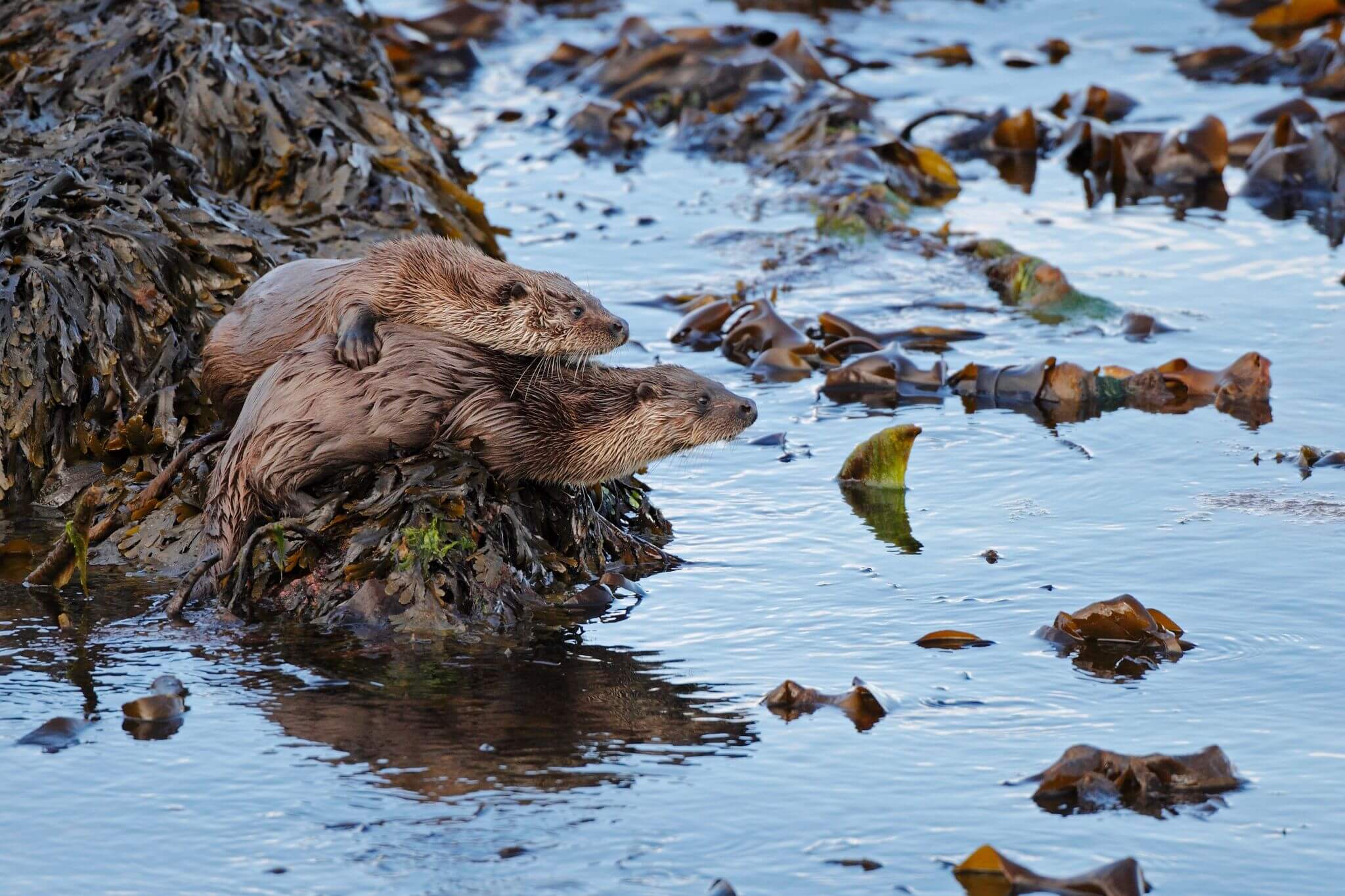
Otter cubs on Yell, Shetland

© Neil McIntyre

Ardnamurchan - Àird nam Murchan

This rather poetic Gaelic place name means ‘the headland of the sea-hounds’. Sea-hounds sounds a bit scary, but it is in fact a word meaning seal or otter. The place name is a description of a coastal spot where animals would have played by the shore. Interestingly, an older version of the name Artda Muirchol has been identified in early manuscripts – this may have referred to acts of piracy or wrecking around the rocky coastline.

Find out more about Ardnamurchan. 

The beach at Liniclate, Benbecula

© VisitScotland / Paul Tomkins

Benbecula - Beinn na Faoghla

The Gaelic name for the Hebridean island of Benbecula means ‘the mountain of the fords’. This seems to be a reference (see Scottish National Records | 0MB) to the island’s solitary hill Rueval, which acts as a stepping-stone between North and South Uist. The name is believed to have originated from Peighinn nam Fadhla, ‘pennyland of the fords’. The island is also sometimes called an t-Eilean Dorcha, ‘the dark island’. A native of Benbecula is a Badhlach or Baoghlach.

Find out more about Benbecula.

Fort William

© VisitScotland

Fort William - An Gearasdan

The name An Gearasdan means ‘the garrison’. This is a relatively modern Gaelic place name that we can trace back to the Battle of Culloden when there was a large military presence in the area. In more recent times there have been attempts to rename Fort William. In 1935, an article in The Scotsman mentioned the ‘Fort William Celtic Vigilance Society’ who wanted the name changed to Abernevis!

FInd out more about Fort William.

V&A Dundee

© VisitScotland / Kenny Lam

Dundee - Dùn Dè

Gaelic speakers will recognise Dundee’s name as ‘the fort of God’ but in fact the ‘fort’ in question is likely to be Dundee Law, a local hill. There are two competing forms of this Gaelic place name Dùn Dèagh and Dùn Dè, both of which are correct. The Gaelic Place Names of Scotland website Ainmean-Àite na h-Alba recommends Dùn Dè based on the most common pronunciation today. There are quite a few Gaelic place names beginning with Dùn, which means ‘fort’, including Dùn Èideann otherwise known as Edinburgh.

Find out more about Dundee.

The Wallace Monument

© VisitScotland / Kenny Lam

Flanders Moss - A' Mhòine Fhlànrasach

Formed on the Carse of Stirling over 8000 years ago, Flanders Moss is one of the last fragile remnants of the great bogs that once covered much of Scotland. It is a bit of a hidden gem and well worth a visit. The Gaelic name is A' Mhòine Fhlànrasach meaning literally ‘The Flanders Peat Moss’. The name is a reminder that many Flemish people settled in Eastern Scotland between the 11th and 17th centuries.

Find out more about Flanders Moss.

The Mull of Galloway, Wigtownshire, Dumfries and Galloway

© VisitScotland / Visit South West Scotland / Damian Shields

Galloway – Gall-Ghàidhealaibh

The place name Galloway comes from the Gaelic i nGall Gaidhealaib – or ‘amongst the Gall Gaidheil’. The Gall Gaidheil, literally meaning ‘foreign Gaels’ originally referred to the mix of Scandinavian and Gaelic people that lived in Galloway in Medieval times. People who live in Galloway today are sometimes called Gallovidians.

Find out more about Galloway.

Loch Affric

© VisitScotland / Paul Tomkins

Beauly - A' Mhanachainn

Here is a good example of a Gaelic place name that reveals a bit of history. The name A' Mhanachainn means ‘place of the monks’ and relates to the priory which was built in Beauly in the 13th Century. These ruins can still be seen in the town. However, the English name for Beauly comes from the French, beau lieu, meaning 'beautiful place'. It’s thought that this is because Mary Queen of Scots once visited and said ‘c’est un beau lieu’ – it’s a beautiful place!

Find out more about Beauly.
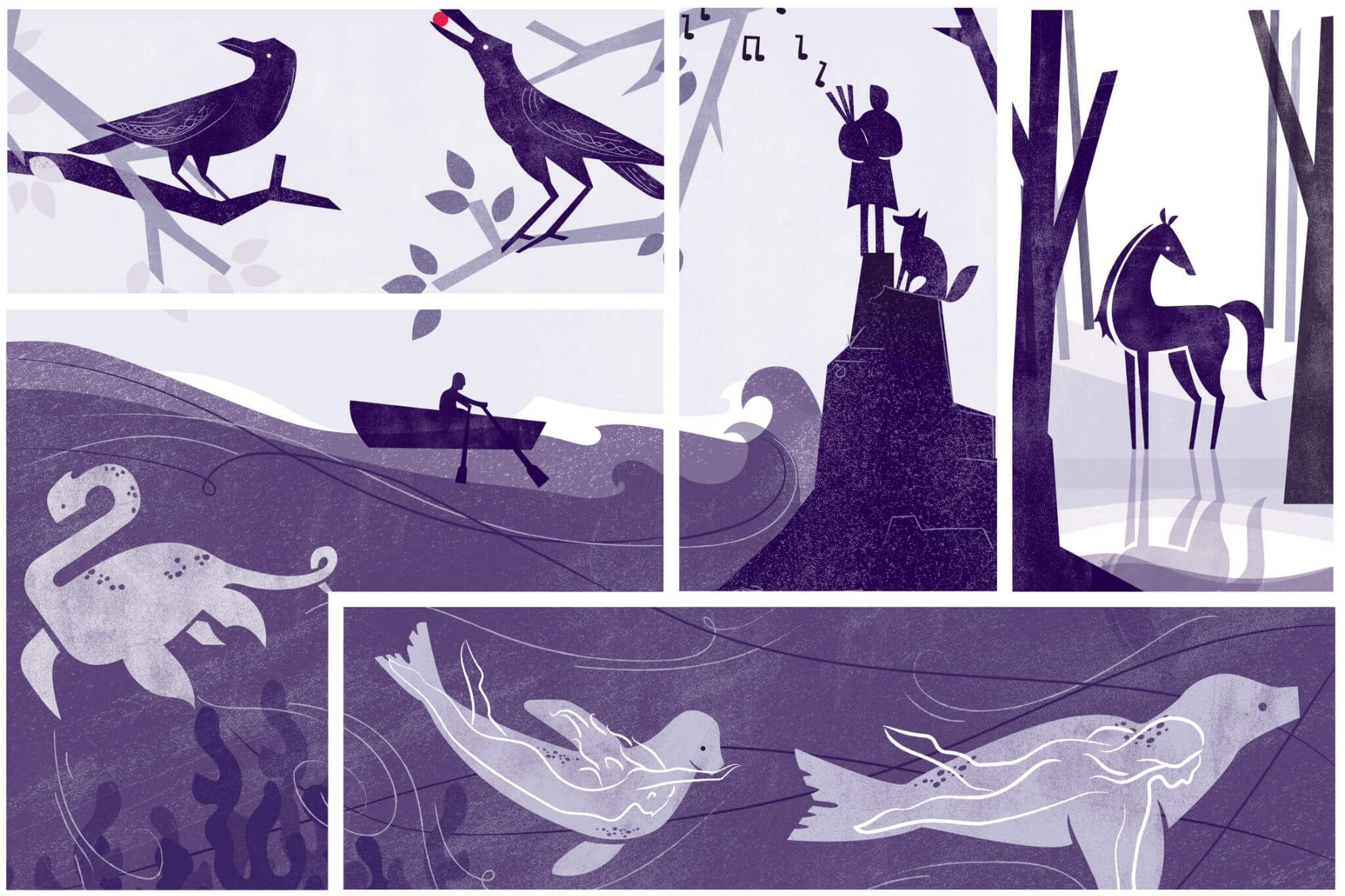
Maybe you are trying to learn a bit of Gaelic or maybe you’re just curious – whichever it is we hope you have enjoyed this list of place names and their meanings.

Share on

Facebook
Pinterest
WhatsApp
Twitter
Email

Other things you might like

Category: Things to do

Scottish arts & culture

Category: Things to do

10 Tricky Scottish place names and how to pronounce them

Category: Things to do

12 Guid Doric phrases & their meanings

Category: Things to do

Discover Scottish myths & legends

Category: Things to do

Scotland's top 10 Scots poems for Burns Night

Category: IONADDHUNEIDEANN.ORG

Edinburgh Gaelic Trail

Join our Newsletter Clan

Get Scotland inspiration direct to your inbox. Don't miss the inside track from our Scotland experts on exciting trip ideas, unique attractions and hidden gems loved by locals.

Get the Scotland newsletter

Get in touch

  • Contact us
  • Feedback & Complaints
  • Submit an event

Our other sites

  • Business Events
  • Business Support Hub
  • Travel Trade
  • Asset library
  • Corporate
  • Scotland is Now

Find us on

Find us on

  • About us
  • Accessibility
  • Acceptable use
  • Cookies
  • Environmental policy
  • Privacy
  • Social media
  • Terms of use
Brand Scotland

© 2026 VisitScotland. All rights reserved.