BETA: The search and map are new features with further enhancements planned. VisitScotland is not responsible for the content of external links and accepts no liability for any reliance on these.

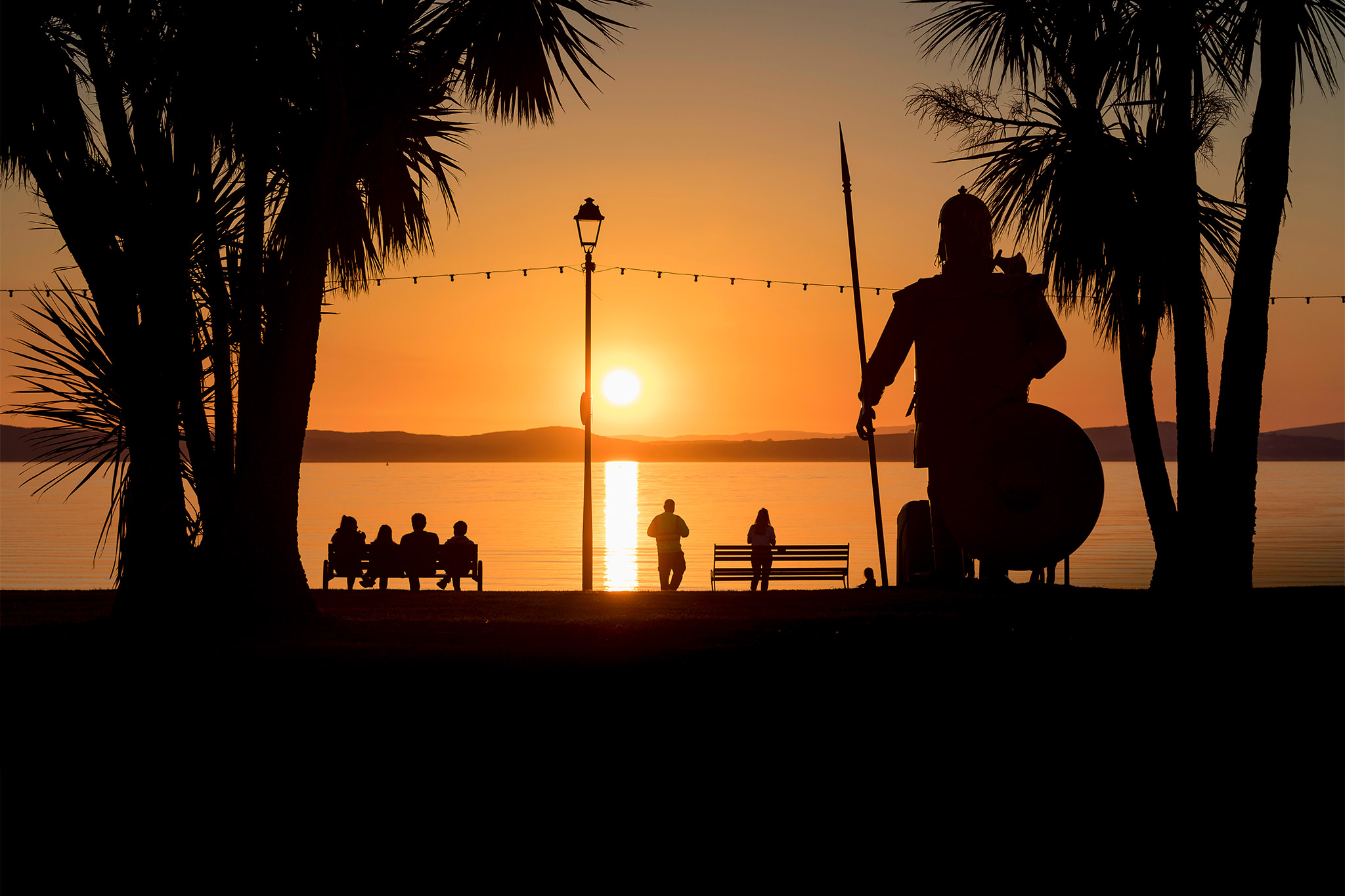
Giant Viking Statue at Largs seafront
© VisitScotland / Kenny Lam
We’ve heard plenty of jokes about Scotland’s weather but Scotland’s climate is actually quite moderate. Conditions are often changeable, it’s true. Even during summer you may see all four seasons in one day. However, as the old Scottish saying goes, 'there's no such thing as bad weather, only the wrong clothes!'
One of the most surprising things about Scotland's climate is how much it varies from one place to another.
The Corgarff to Crathie road
It's often the case in Scotland that you can travel up the road for 20 minutes and find conditions are different to where you started. It’s a good idea to keep an eye on the weather forecast but don’t let it define your holiday!
You can expect average maximum temperatures to range from approximately 8-13°C (or 46°-55°F) during the months of March, April and May.

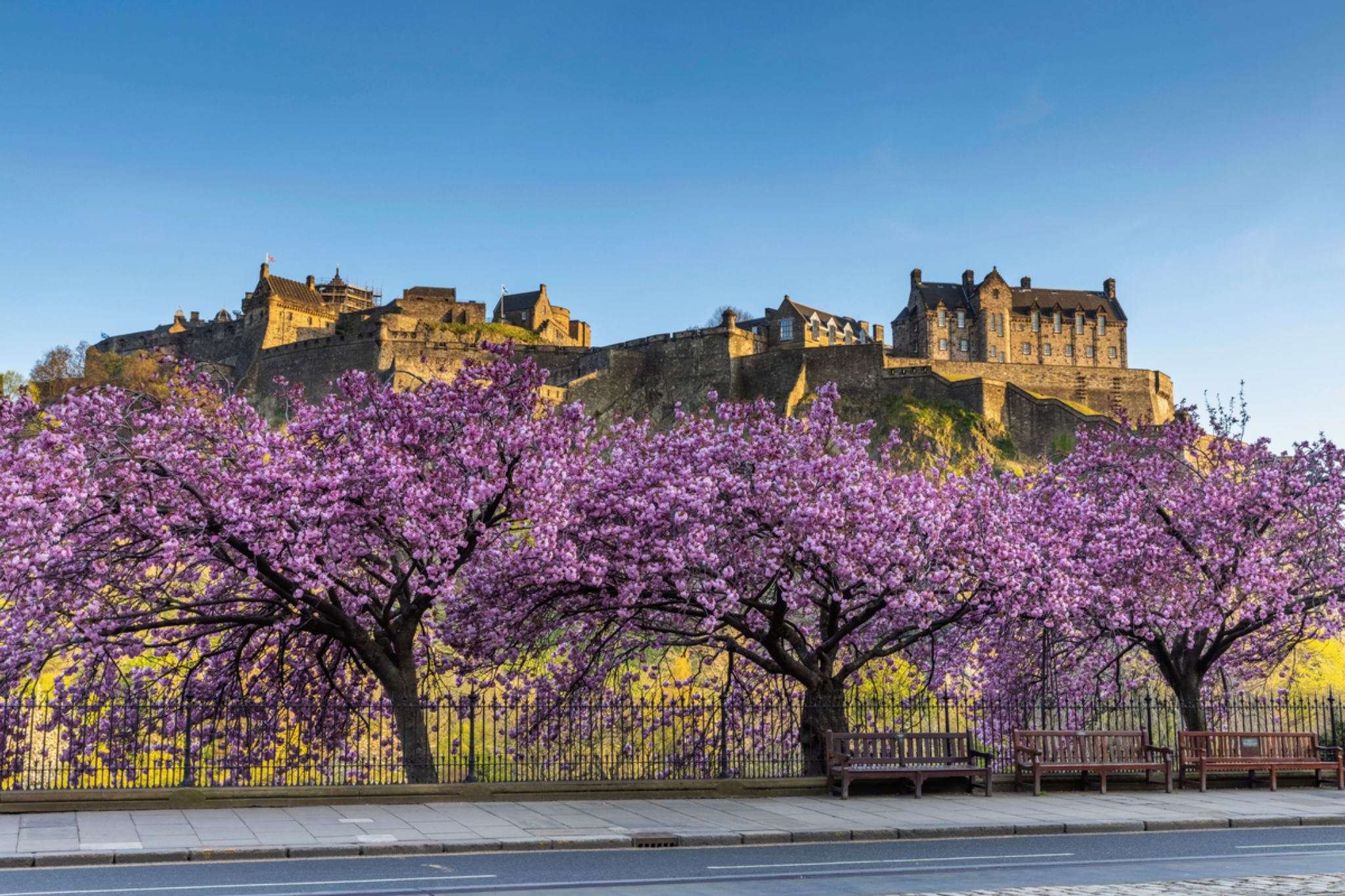
Cherry blossom trees lining the Kelly Burn in Dollar
© VisitScotland / Kenny Lam
A beautiful time to visit, this season sees snowdrops, bluebells, cherry blossom and rhododendrons bursting into bloom. With sprightly wildlife and a milder breeze in the air, there's plenty of activities to enjoy.
Even if you do experience an April shower or two, there is a fantastic range of galleries, museums and other attractions to keep you entertained.
June, July and August are normally the warmest months in Scotland, with average maximum temperatures around 17°C (or 63 °F).

Scarista Beach, Harris
© VisitScotland / Kenny Lam
Scotland's high latitude means that we enjoy lovely light long into the evening and often an extended twilight. In the north of the country, Lerwick in Shetland has about four hours more daylight at midsummer than London.
At this time of year there is actually no complete darkness in the far north of Scotland. And, with the extra hours of daylight, you can pack a lot into your summer holiday. Round of golf at midnight anyone?
In the autumn (or fall), Scotland is likely to experience temperatures ranging from around 8-15°C (46-59°F) from September to November.

Road to Port of Menteith in autumn
© VisitScotland
The colours of autumn are eye-catching and vibrant, as the trees change from green to fiery reds, oranges and yellows. It's a perfect time of year to snap some photographs as you take an invigorating autumn amble through the forest.
As the clocks go back, the days get shorter which makes autumn the perfect time to catch the sunset at a beautiful Scottish location.
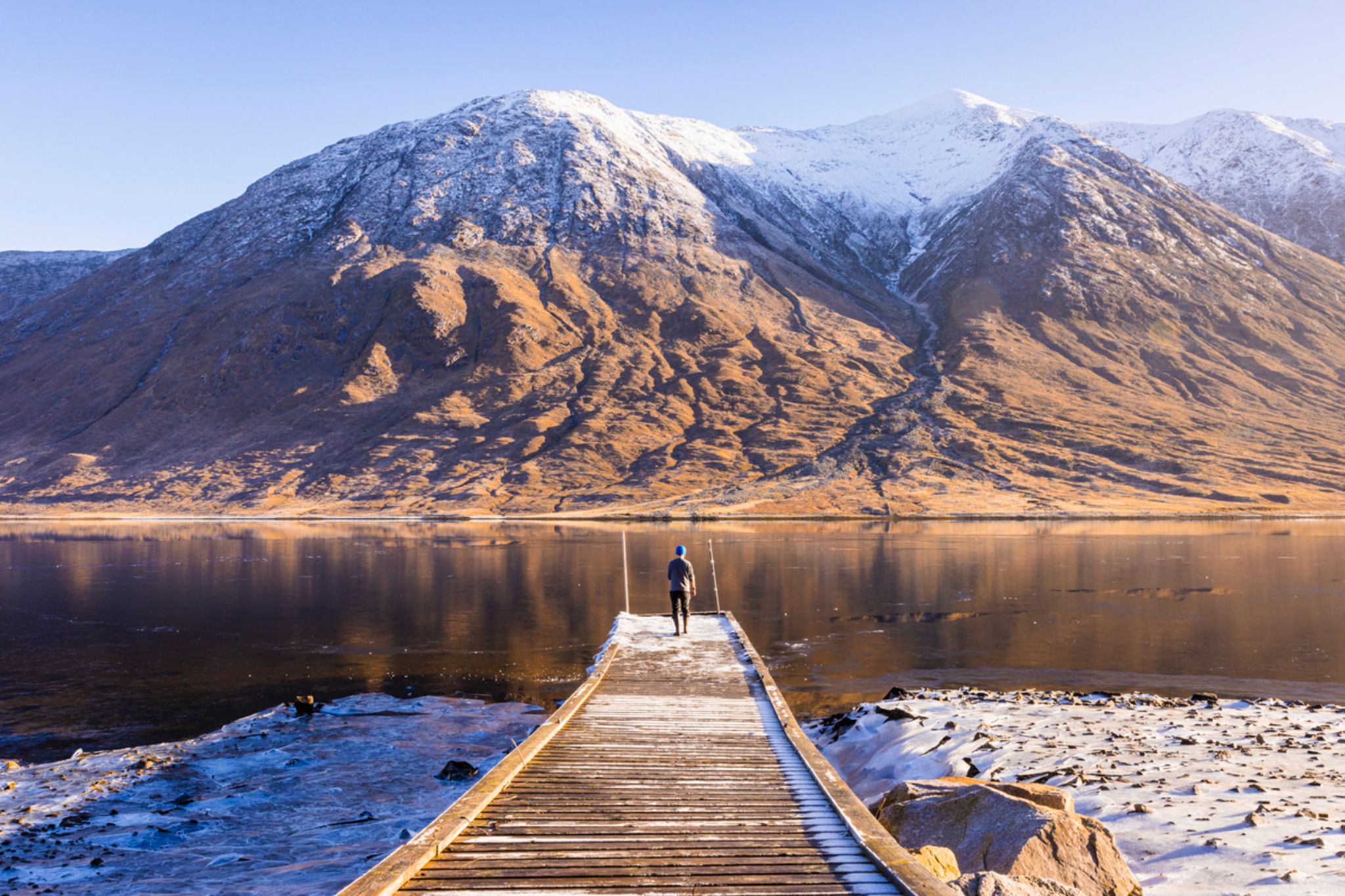
December, January and February are generally the coldest months in Scotland, with the average maximum temperature usually around 6°C (43°F).
Dark skies at Scalan in the Glenlivet Estate
© Andrew Allan
The average number of days with snow falling in Scotland ranges from 10-20 days. However, the peaks and mountains of the Highlands experience around 40 days of falling snow.
The snowsports season varies each year, but generally it runs from November to April. Scotland's five ski centres provide some of the best value snowboarding and skiing in Europe. It’s important to remember that we are not always guaranteed snow, but there are many alternative winter activities.

Discover a wealth of things to see & do in Scotland.
Explore some of Scotland's most unique and interesting bucket list ideas.
Our key information can help you plan your journey and learn more about Scottish history, arts & culture, geography, wildlife and events.
Get inspiration for great day trips across Scotland.


Get Scotland inspiration direct to your inbox. Don't miss the inside track from our Scotland experts on exciting trip ideas, unique attractions and hidden gems loved by locals.