BETA: The search and map are new features with further enhancements planned. VisitScotland is not responsible for the content of external links and accepts no liability for any reliance on these.
10 Scottish Outdoor Access Code Tips
The Scottish Outdoor Access Code gives detailed guidance on our rights and responsibilities while exploring on land and around water. Before you go, check out our handy tips on access rights and take the lead on looking after our outdoor spaces.
The following list was created by VisitScotland to showcase a range of experiences. It isn’t ranked in any specific order.
- 1
Be a cool camper
Scotland
Zoar beach near Braewick
© Promote Shetland / Euan Myles
Scotland offers a wide range of managed campsites with lots of facilities and some of your favourite home comforts. If you’re looking for more of an off-the-grid stay, wild camping is an alternative option as long as it’s done safely and responsibly.
Use a small tent to set up base and stay clear of buildings, roads and enclosed fields of crops and farm animals. When cooking meals, use a camping stove to help mitigate the risk of wildfires. Always pay attention to fire danger warnings, information from the Scottish Fire and Rescue Service and follow all local advice.
When nature calls, it’s important to know the correct toilet etiquette. Make sure to stay at least 30 metres away from lochs, rivers and burns so you don’t pollute the water. To dispose of human waste, either bury it in a shallow hole or bag it and carry it with you.
After a fun weekend of camping, take away all your belongings and litter, leaving no trace behind. Dropping items including bottles, cans or plastic bags can damage any machinery nearby and, if eaten by an animal, it can cause death or serious harm.
- 2
Make sure to give way when cycling
Scotland
Cyclists along the River Tweed
© SSDA
During peak season, it’s only natural that some of our outdoor areas can get busy, especially on a nice day. If you’re heading out on your bike, narrow routes can often cause congestion with passers-by, including walkers and horse riders. If this occurs, dismount and walk until the path becomes suitable for cycling again and take care not to alarm farm animals, horses and wildlife. In the winter, conditions can get quite treacherous. Make sure to be careful when going into wet, boggy or soft ground without churning up surfaces.
- 3
Keep safe when navigating around golf courses
Scotland
Golfers at Duff House Royal Golf Club
© VisitScotland / Airborne Lens
When it comes to golf, there’s nothing quite like a bit of friendly competition. However, it’s important to behave in a sensible manner. When the game is in action, allow all players to play their shot before crossing a fairway. Make sure not to interfere in golf games by keeping still, especially during ‘blind’ shots – these shots are particularly risky as golfers are unable to see if people are in the landing area with the increased likelihood of someone being hit by a stray shot.
Golf courses across Scotland are intensively used and managed and when fertilisers and pesticides have been used, golf course managers may ask you to avoid using particular routes at these times. By following this advice, it can help mitigate risks.
- 4
Being a responsible dog owner
Scotland
A hillwalker and his snow dogs at Meall-a-Buachille
© VisitScotland / Jakub Iwanicki
For many of us, dogs are our trusty companions and help us to reap the benefits of soaking up the fresh air. However, it’s important that they stay well-behaved especially across rural parts of Scotland. If you’re out dog walking, make sure to always dispose of your dog’s waste properly by bagging and binning it. Dog waste can cause serious harm with the likelihood of spreading disease and infection to people, animals and livestock, and it can lead to damaging crops. Don’t worry if there aren’t enough bins available in our outdoor spaces; you can always dispose of it when you get back home.
The countryside is also home to an abundance of livestock and wildlife. Check to see what alternative routes there are or keep a safe distance away from sheep and cattle and take the shortest, safest route out of fields. It's good practice to keep your dog on a lead. Do not allow your dog to approach livestock or other animals or people when uninvited. Cows with calves, horses, pigs and farmed deer can act aggressively if disturbed which can result in their distress and serious injury for yourself and your pet.
- 5
Respecting people's privacy
Scotland
Dunfermline Abbey
We’re very lucky here in Scotland to be able to travel freely to many outdoor spaces including hills, forests, fields, parks, lochs, beaches and other coastal areas. However, there are some places where access rights don’t apply, such as people’s homes and gardens, lands where crops are growing, quarries and construction sites. When out and about, make sure to always respect people’s privacy. It’s best to look out for clues that you might be near someone’s property from glasshouses and summerhouses to walls, fences and hedges. Use a path or track when you are close to a house or garden. If there isn’t one, keep at a sensible distance from houses and keep noise levels to a minimum especially during the evening.
- 6
Parking sensibly
Scotland
Lothianbridge Caravan Park
© VisitScotland / Connor Mollison
Many people use their cars to travel with ease when visiting outdoor spaces and attractions. However, bad parking can lead to problems and it’s important to recognise this. Make sure not to block any entrances to fields or buildings as this can make it difficult for others to use roads or tracks. Use a car park if available when visiting outdoor spaces and attractions. If full, have a backup plan to go somewhere else – you can always go back later or visit another day at an earlier time.
- 7
Crossing gates and fences
Scotland
A walker responsibly closes a gate at Nethercroy
When you’re out exploring Scotland’s countryside, you may need to cross a fence or wall if there is no reasonable alternative nearby. Use a gate if possible and leave the gate as you found it, open or closed. If you need to climb over a fence, locked gate or wall, avoid causing damage by climbing over where it’s strongest, this is usually near the hinge end of a gate. To ensure your health and safety, you are likely to come across signs that read ‘Do not climb’. This prohibits climbing all structures including walls, fences or other areas climbing which could be hazardous and lead to injury.
- 8
Protecting cultural heritage sites
Scotland
Rosslyn Chapel
© VisitScotland / Connor Mollison
Many of Scotland’s famous sites hold great historic value, so it’s important to look after and preserve them for future generations to enjoy. Leave the site as you find it and do not move, disturb, damage or deface any stones, walls, structures or other features. Some cultural heritage attractions are protected by law, including archaeological sites. If you happen to come across any, do not enter or interfere with them. If you’re planning a camping trip, make sure you’re aware of your surroundings and what is situated nearby and don’t dig up any ground surfaces, light fires or use metal detectors. Most importantly, you can still have fun while out enjoying many outdoor pursuits but always remember to respect Scotland’s rich heritage.
- 9
Staying safe in our forests and woodlands
Scotland
Loch Beinn a Mheadhoin, Glen Affric
Exploring the depths of our forests and woodlands on foot allows us to relax our mind, body and soul. From the gentle chirping of birds in amongst the trees to the trickling water of a nearby stream, it’s the perfect haven for escapism. From time to time, there might be areas affected due to ongoing forest operations including tree felling, timber extraction and haulage. Make sure to read any signage warning you of forest operations currently in progress and follow all safety precautions advised by the land manager. This will make sure you don’t hinder these operations and ensure your overall safety and that of the people working on site. Take extra care if you come across any machinery whether you’re walking, cycling or riding along forest tracks and do not climb onto timber stacks.
- 10
Keeping safe along riverbanks and loch shores
Scotland
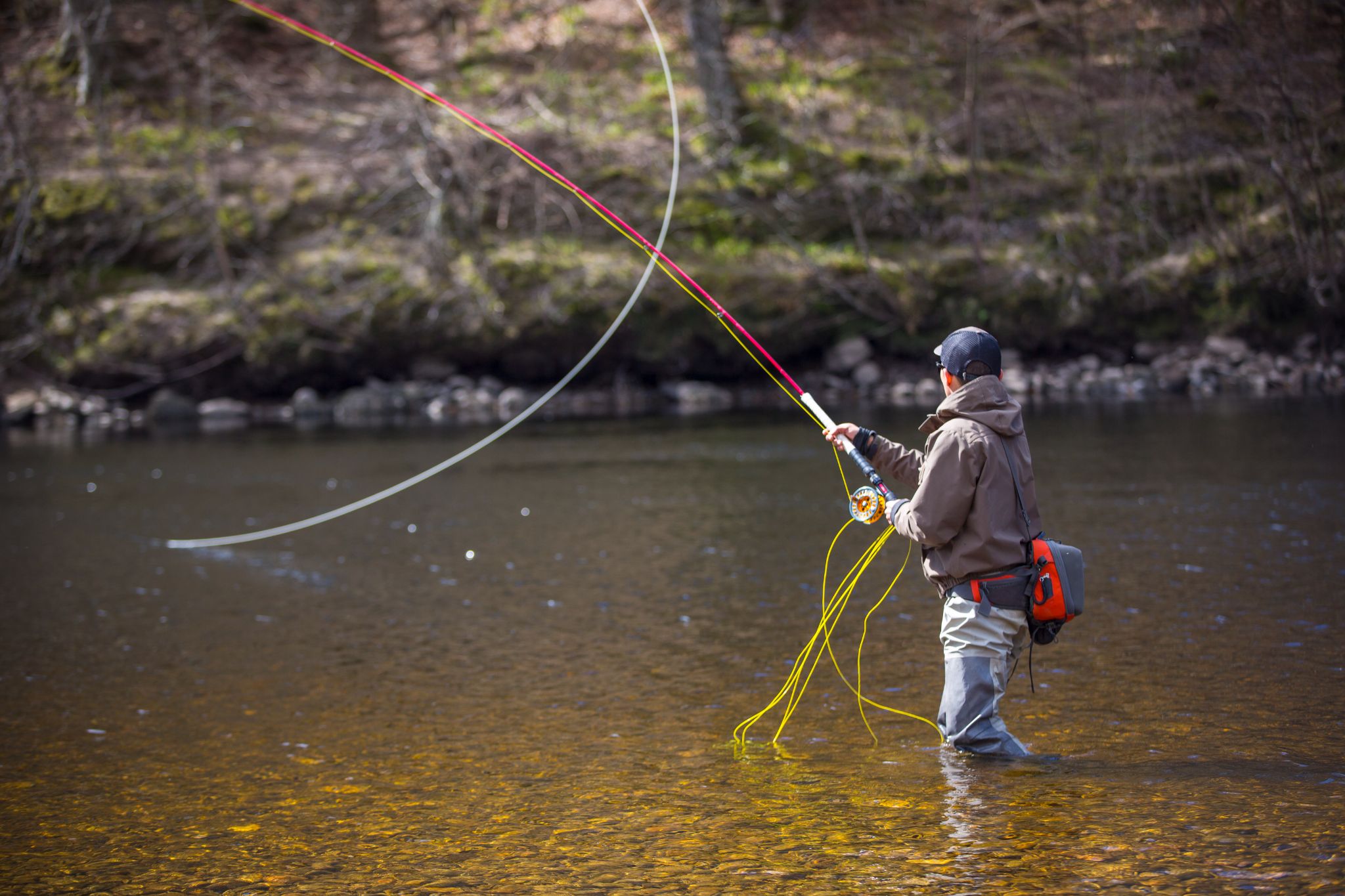
Salmon fishing, River Tay
© VisitScotland / Kenny Lam
Riverbanks and loch shores are often a refuge for wildlife and can also be used for outdoor activities including fishing. Be mindful and keep a safe distance if an angler is casting a line. Some lochs or reservoirs are used intensively as commercial fisheries and can be potentially dangerous where a lot of anglers are casting a line in a small area. This could also harm wildlife and their natural habitats. If you’re planning on fishing, check to see that the area isn’t too congested as canoeists and boats can often be found along riverbanks during the nicer weather.
Other things you might like
Fun outdoor activities in Scotland
A guide to outdoor safety in Scotland
Sustainable & responsible tourism in Scotland
Scotland FAQs
South West Coastal 300
Weather in Scotland

Stunning wild swimming locations in Scotland
Join our Newsletter Clan
Get Scotland inspiration direct to your inbox. Don't miss the inside track from our Scotland experts on exciting trip ideas, unique attractions and hidden gems loved by locals.