:

  • English
  • Español
  • Italiano
  • Deutsch
  • Nederlands
  • Français
Navigation generated at 2026-2-5 20:15:21
    • Destinations

      Villes

      • Villes
      • Aberdeen
      • Dundee
      • Dunfermline
      • Édimbourg
      • Glasgow
      • Inverness
      • Perth
      • Stirling

      Destinations populaires

      • Ben Nevis
      • Le parc national des Cairngorms
      • Glencoe
      • Le Loch Lomond
      • Le Loch Ness

      Les towns et petites villes d’Écosse

      • Les towns et petites villes d’Écosse
      • Aviemore et les Cairngorms
      • Dumfries
      • Fort William
      • Kirkwall
      • Lerwick
      • Oban
      • Peebles
      • Pitlochry
      • St Andrews

      Les îles d’Écosse

      • Les îles d’Écosse
      • L’île d’Arran
      • L’île d’Islay
      • L’île de Jura
      • L’île de Lewis & Harris
      • L’île de Mull
      • Les îles Orcades
      • Les Hébrides extérieures
      • Les îles Shetland
      • L’île de Skye

      Régions

      • L’Aberdeenshire
      • L’Argyll et ses îles
      • L’Ayrshire & l’île d’Arran
      • Le Dumfries & Galloway
      • Dundee et l’Angus
      • Édimbourg et les Lothians
      • Le Fife
      • Glasgow et la vallée de la Clyde
      • Les Trossachs et la vallée de la Forth
      • Les Highlands
      • Le Perthshire
      • Les Scottish Borders
    • Activités et attractions

      Attractions & sites touristiques

      • Attractions & sites touristiques
      • 20 attractions incontournables
      • Arts et culture en Écosse
      • Châteaux
      • Attractions gratuites
      • Histoire et patrimoine
      • Musées et galeries
      • Lieux de tournage

      Activités en extérieur

      • Activités en extérieur
      • Cyclisme
      • Le golf en Écosse
      • Le VTT en Écosse
      • La randonnée en Écosse
      • Activités et sports nautiques

      La gastronomie écossaise

      • La gastronomie écossaise
      • Brasseries & bières artisanales
      • Le gin écossais
      • Le whisky et les distilleries d’Écosse

      Nature et paysages

      • Nature et paysages
      • Les plus belles plages d’Écosse
      • Ben Nevis
      • Parcs nationaux
      • Aurores boréales
      • Mégalithes et cercles de monolithes
      • La faune sauvage d’Écosse

      Circuits, excursions et itinéraires

      • Circuits, excursions et itinéraires
      • Séjours et vacances d’île en île
      • Itinéraires
      • Itinéraire UNESCO d’Écosse
      • Circuits et excursions
      • Grands Itinéraires de randonnée

      Événements et festivals

      • Événements et festivals
      • Les festivals d’Édimbourg et le Fringe
      • Les Jeux des Highlands
      • Festivals de musique
    • Hébergements

      Hôtels et hébergements

      • Maisons et chambres d’hôtes
      • Hôtels économiques et petit budget
      • Auberges de jeunesse
      • Hôtels
      • Hôtels de luxe et 5 étoiles

      Camping et caravanes

      • Camping et caravanes
      • Vacances en camping et en caravane
      • Glamping
      • Camping sauvage

      Locations et gîtes de vacances

      • Locations et gîtes de vacances
      • Cabines et chalets
      • Cottages de vacances
      • Appartements et studios
      • Cabines et chalets avec jacuzzi

      Hébergements insolites

      • Hébergements insolites
      • Séjourner dans un château

      Autres hébergements

      • Hébergements accessibles
      • Hébergements écoresponsables
      • Séjours et vacances de luxe
      • Hébergements pet-friendly
      • Séjours romantiques
    • Infos pratiques

      Se rendre en Écosse

      • Depuis l’Angleterre et le Pays de Galles
      • Depuis l’Europe
      • Depuis l’Amérique du Nord
      • Depuis d’autres continents

      Travel in Scotland

      • Prendre l’avion en Écosse
      • Bus & car
      • Les ferries en Écosse
      • FAQ sur les voyages en train

      L’Écosse en voiture

      • L’Écosse en voiture
      • Louer un véhicule en Écosse
      • Itinéraires scéniques
      • Véhicules électriques

      Quand visiter l’Écosse ?

      • Quand visiter l’Écosse ?
      • Printemps & Pâques
      • Été
      • Automne
      • Hiver, Noël & Nouvel An

      Infos pratiques

      • Brexit
      • Tourisme responsable et écotourisme
      • FAQ
      • Notre Calculateur d’empreinte carbone
      • Offres et réductions de voyage
      • Passeports et visas
      • Météo et climat

      Conseils et inspiration

      • Guide de sécurité en pleine nature
      • Blog de voyage
      • Newsletter

      Types de vacances

      • Vacances et séjours accessibles
      • 15 des plus beaux lieux et destinations en Écosse
      • Vacances petit budget en Écosse
      • Séjours à la campagne
      • Vacances en famille
      • Working Farm Holidays
      • 11 destinations hors des sentiers battus en Écosse
      • Guide de voyage solo
      • Weekends et courts séjours
      • Séjours bien-être en Écosse
  • Carte de l’Écosse

BETA : cette carte est une fonctionnalité en cours de développement. VisitScotland décline toute responsabilité quant au contenu, à l’exactitude des liens externes et l’utilisation de la carte.

Faites-nous part de vos commentaires
  1. Accueil
  2. Activités et attractions
  3. La gastronomie écossaise

Guide to wild food foraging in Scotland

Wild, foraged foods are appearing in more of our produce, restaurant dishes and home cooking. But what delights in Scotland’s wild larder are there, when is best to forage for them, where can they be found, who can take you foraging for food and where can you eat foraged foods? Read on to learn more.

Craigies Fruit Farm

What is foraging?

By definition, foraging is the search for wild food, such as berries, seeds, edible plants etc. It’s more commonly a trait seen in wild animals, but was also a survival skill that our hunter gatherer ancestors had to master many centuries ago.

Foraging rules & guidelines in Scotland

Foraging in Scotland is a fun and exciting way to get up close to nature and wildlife, and then getting to taste the fruits of your labour afterwards. However, there are a few rules to follow along the way:

  • In line with the Wildlife and Countryside Act 1981, it is illegal to collect wild plants or fungi on a National Nature Reserve (NNR) or a Site of Special Scientific Interest (SSSI).
  • Be careful what you pick – some species of mushroom and fungi are poisonous and can even be fatal if eaten. Make sure to read up on the various specious beforehand, as well as ensure the information is reliable and up to date. Have a read of the Scottish Wild Mushroom Code to get you started.
  • Only take what you can use – be mindful to leave enough for everyone, including the wildlife who call the forest home.

Learn more about the guidelines around foraging

Wild food banquet at Scot Wild Food Festival

© @scotwildfoodfestival

When is the best time to go foraging?

Well that all depends on what you are looking to forage. In January, head out foraging for winter fruits and nuts, such as acorns, blackberries and chestnuts, in June keep your eyes peeled for edible flowers, such as elder and honeysuckle, or in September go rummaging for wild berries, such as raspberries, strawberries and sloes.

Find out more about what to look for month-to-month in Scotland.

Fruit picking

© Kenny Lam

Foraging for kids

Taking the kids out foraging is a great way to get them in tune with nature, teach them about their surroundings, and can also be a really educational experience. Foraging could be a great opportunity to explore a new corner of Scotland that you haven’t visited before where you can teach the wee ones about foraging; what to pick, what not to pick, where to pick from (i.e. not beside a road or place where there are dog walkers), and making sure they check what they pick with an adult first to ensure it is safe.

Read the foraging guide for kids


Foraging courses

Various places around Scotland boast fascinating courses and events that allows you get involved in foraging.

  • Meet local foragers for a natural treasure hunt within the Cromlix grounds near Dunblane.
  • Enjoy a coastal foraging course with Galloway Wild Foods in Dumfries & Galloway.
  • Join a Wildwood Bushcraft in the Highlands, and learn what to forage and how to cook it.
  • Meet the professionals at Coeur Sauvage on a dedicated foraging course and learn why they are trusted by the nation's top chefs. 
  • Get out and about with a foraging walk from Curious In Nature, based mainly in and around Glasgow.
  • Head to the Isle of Arran to learn all about foraging with Wild Food Arran as well as discovering this magical west coast island.
Wild food foraging in Scotland

Discover more about what you can forage in the wild in Scotland.

Fruit picking in South Queensferry

Wild berries

Many Scots carry fond recollections of picking wild, bursting-with-flavour berries, on the long hot days of summer with them. It’s a great way to get out and explore more of Scotland, with nature providing healthy – and free – snacks along the way.

There are about 10 different edible types of berries that are found in our woods and along quiet trails and roads including wild cherries, blaeberries (bilberry), blackberries, sloes, rowan and juniper berries. They largely grow in Perthshire, particularly in the fertile Strathmore valley, and Fife, but are also found in Aberdeenshire, the Highlands, Arran, Ayrshire and the Scottish Borders.

Picking them is made all the easier with Scotland’s Outdoor Access Code providing a right of responsible access to most land and water, which is among the best in Europe. Just take care when you’re picking berries that you don’t damage the environment and make sure you leave plenty for local wildlife!

Foraging experience with RVIVAL at Mhor Wild Stays.

Wild mushrooms

There are literally dozens of species of edible wild mushrooms in Scotland’s woodlands, but only a few are commonly eaten. Autumn is the best time to pick them, but there are always some species growing in woodlands.

Given the severe toxicity of some species (e.g. fly agaric), be sensible and leave unfamiliar fungi alone. Better still, join a mushroom foraging course in Perthshire with Monica Wilde Foraging, or join one of her wild cookery courses. It’s easier and fun to learn what to pick and when in a group setting, led by an expert.

Popular edible varieties include cep, chicken of the woods, chanterelle, wood blewitt, hedgehog fungus and morel. Scottish Natural Heritage has produced a great guide about Scotland’s fungi to advise gatherers on best practice.

Mussles cooking in Little's restaurant, Blairgowrie

© Perth and Kinross Council / Craig Stephen

Coastal food foraging

Our seas produce some of the finest seafood in the world and our coast is prime territory for enjoying seaweed foraging in Scotland. Collect sea buckthorn berries on long beach walks, poke around rock pools at low tide for shellfish, put out lobster pots or fish inshore for mackerel, or forage for healthy edible seaweed – dulce for instance is a red seawood, which is a hit with vegetarians and is especially delicious in soup.

Mussels, limpets and winkles are some of the fishy delights that can be found along rocky shores. And if you’re lucky you might also find razor clams (sometimes known as ‘spoots’), cockles and clams. There’s nothing quite like cooking up your foraged coastal bounty on a beach fire.

Wild shellfish can carry a risk of food poisoning, so observing a few basic safety tips, such as collecting in clean waters and avoiding high summer months, will keep you safe. Enjoy a coastal foraging tour with East Neuk Seaweed.

Taste Scotland's foraged food

Foraged foods are increasingly finding their way into some of Scotland’s finest produce. Using them enhances their unique flavour and adds a real dash of local authenticity. Here are just a few examples.

Charlotte Flower chocolate, sold in Errichel

© @errichel

Charlotte Flower

Not many people can resist tempting chocolate, but Charlotte Flower, the Loch Tay chocolatier, takes temptation up a notch! From her home at Acharn in Highland Perthshire, Charlotte explores the shores of the loch and nearby woodland in search of Scots pine, wild mint, wood sorrel and elderflower, which she uses to flavour her captivating confectionery. If you’re in the area, ring ahead and drop in to see her before exploring the lovely Acharn Falls nearby.

Harris Gin

Over the last five years, Scottish gin has grown in both profile and popularity. Indeed over 70% of the UK’s gin is produced here. Many producers use locally foraged botanicals to make their spirit stand out from others. One of the most unusual we’ve discovered is sugar kelp, which is used, along with other botanicals, to flavour Harris Gin. This hand-dived seaweed, gives the spirit a distinct and delicious taste that’s the very essence of the island it comes from.

Williams' Bros. Brewing Co

Foraged plants are also used in some Scottish beers. William’s Bros. Brewing Co. based in Alloa have long recognised this, with their well-established brews including "Fraoch", which uses heather flowers as a flavouring, "Grozet", which is flavoured with gooseberries and the rather potent "Alba" where Scots pine needles add a unique flavour. Head for Inn Deep in Glasgow to try these delicious beers for yourself.

Gardener's Cottage

© @stuesvues

Foraged food restaurants

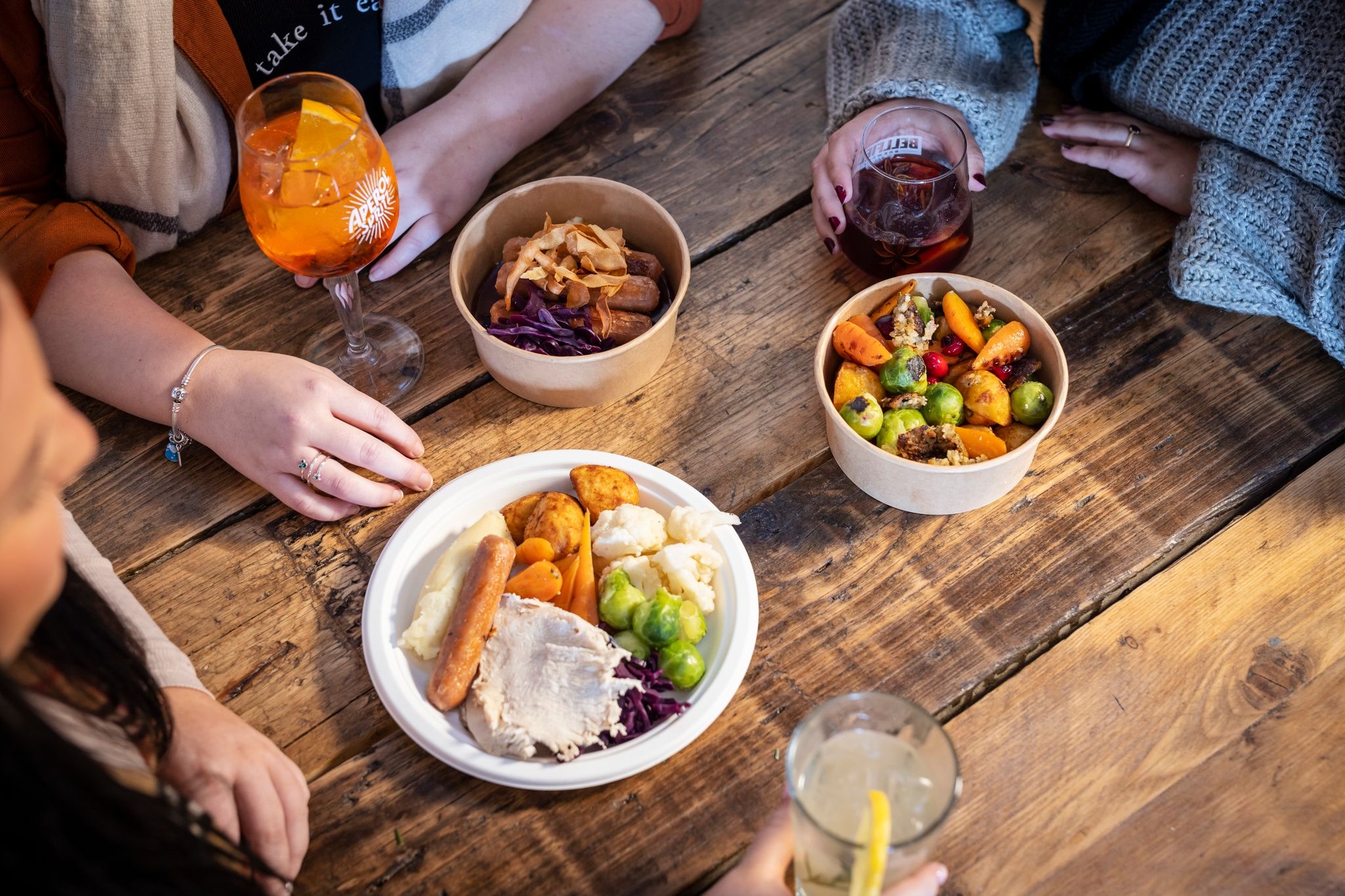
It’s great fun being in the outdoors and foraging for food, but in Scotland you can still enjoy tasty foraged food without getting your hands dirty or wet! Visionary Scottish chefs are harvesting wild foods and introducing them into dishes, imparting delightfully local flavours.

In Edinburgh, The Gardener’s Cottage, Forage and Chatter and Wedgwood the Restaurant are serving dishes which include seasonal and sustainable sensations. Or why not eat wild with a unique Buck and Birch occasional dining experience featuring ingredients carefully curated over many years by Head Chef Rupert Waites? Join in a cocktail making class with a foraged twist with The Botanist Cocktail Experience on Islay,

These are just some of the foraged culinary riches found in Scotland’s woods, hedges, and along our coastline, as well as in our produce. There’s plenty more to discover. All we ask is that you follow the guidance in the Scottish Outdoor Access Code and if you’re not sure how to get started, join a course and learn with an expert. Scotland’s food and drink is amongst the very best in the world, the best place to enjoy it is right here. Why not add an eco accommodation experience or a unique farm stay to your trip?

Partager sur

Facebook
Pinterest
WhatsApp
Twitter
E-mail

Vous aimerez aussi...

Catégorie: Activités

9 Food & drink award winners

Catégorie: Activités

9 Top Scottish food experiences

Catégorie: Activités

11 Traditional Scottish food dishes to try

Catégorie: Activités

Seasonal food calendar

Catégorie: Activités

11 of the best seafood shacks in Scotland

Catégorie: Activités

15 of the best fish & chip shops in Scotland

Devenez membre de notre clan en vous inscrivant à votre Newsletter

Laissez-vous inspirer par l’Écosse directement dans votre boîte mail. Ne manquez pas les conseils de nos experts en Écosse sur les idées d’excursions, les attractions uniques et les perles rares prisées des locaux.

S’inscrire à notre newsletter

Nous contacter

  • Nous contacter
  • Commentaires et plaintes

Nos autres sites

  • Événements professionnels
  • Business Support Hub
  • L’industrie du tourisme
  • Médiathèque
  • Entreprises
  • Scotland is Now

Find us on

Find us on

  • Qui sommes-nous ?
  • Accessibilité
  • Utilisation acceptable
  • Cookies
  • Politique environnementale
  • Confidentialité
  • Déclaration de confidentialité
  • Réseaux sociaux
  • Conditions d’utilisation
Brand Scotland

© 2026 VisitScotland. All rights reserved.